
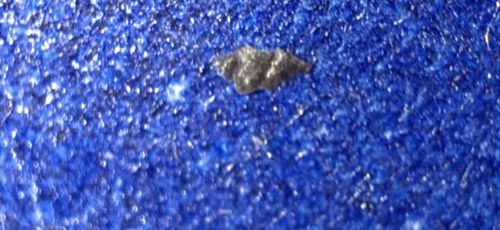
Plaster Bagworm (or Household Casebearer)
Phereoeca uterella / Phereoeca allutella
- Order & Family
- Order: Lepidoptera, Family: Tineidae
- Size
- Typically 8-13 mm (0.3-0.5 inches) in length
Natural Habitat
Commonly found indoors on walls, in closets, under furniture, or in undisturbed areas like garages. They thrive in high humidity environments.
Diet & Feeding
Larvae feed on spider webs, old insect skins, wool, animal dander, hair, lint, and other detritus found in dust.
Behavior Patterns
The larva constructs a flattened, pumpkin-seed-shaped protective case out of silk and gathered debris (sand, dust, fibers) which it carries around. It has openings at both ends allowing the larva to turn around inside and feed from either side.
Risks & Benefits
Generally harmless to humans (they do not bite or sting). They can be a minor pest if found in large numbers as they may damage wool fibers or fabrics, though they primarily feed on spider webs and general house dust.