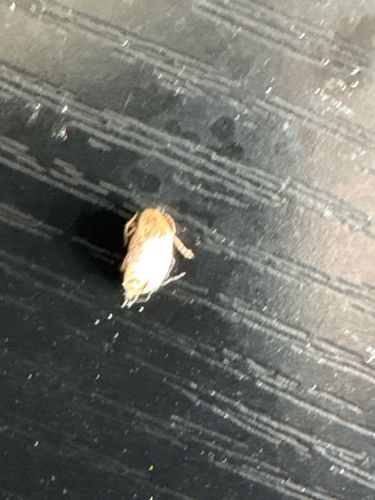
German Cockroach (Nymph)
Scientific Name: Blattella germanica
Order & Family: Order: Blattodea; Family: Ectobiidae
Size: 3 mm (early instar nymphs) to 16 mm (fully grown adults)
Natural Habitat
Indoor environments, specifically warm, humid areas near food and water sources such as kitchens, bathrooms, and laundry rooms.
Diet & Feeding
Omnivorous scavenger; they consume human food, pet food, crumbs, grease, and even non-food items like soap, toothpaste, and book bindings.
Behavior Patterns
Nocturnal and highly gregarious. They typically hide in dark cracks and crevices during the day. They have a fast reproductive cycle, with females carrying an ootheca (egg case) until just before hatching.
Risks & Benefits
Risks: Major household pest that can spread bacteria (e.g., E. coli, Salmonella), contaminate food, and trigger asthma or allergies through their droppings and shed skins. Benefits: Minimal in human environments; in the wild, related species help decompose organic matter.
Identified on: 3/26/2026