
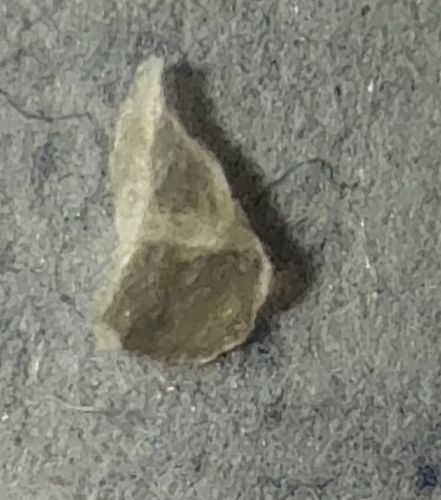
Household Casebearer (Plaster Bagworm)
Phereoeca uterella (or related Phereoeca species)
- Order & Family
- Order: Lepidoptera, Family: Tineidae
- Size
- Typically about 8 to 13 mm (0.3 to 0.5 inches) in length.
Natural Habitat
Commonly found indoors on walls, in corners, and under furniture, especially in humid climates like Florida and tropical regions. They also reside outside on exterior walls or under rocks.
Diet & Feeding
The larvae feed on old spider webs, wool, hair, lint, and other organic debris found in homes. They do not typically eat plaster despite the nickname.
Behavior Patterns
The larva constructs a distinctive flattened, pumpkin-seed-shaped case out of silk, sand, and debris, which it lives inside. It drags this case along as it moves. The larva has openings at both ends of the case, allowing it to feed and move from either side.
Risks & Benefits
Generally harmless to humans and pets; they do not bite or sting. They are considered minor pests because they can eat wool fabrics, but they primarily feed on cobwebs and dust, serving as a minor sign that a house needs cleaning.