Pinworm
Scientific Name: Enterobius vermicularis
Order & Family: Order: Oxyurida, Family: Oxyuridae
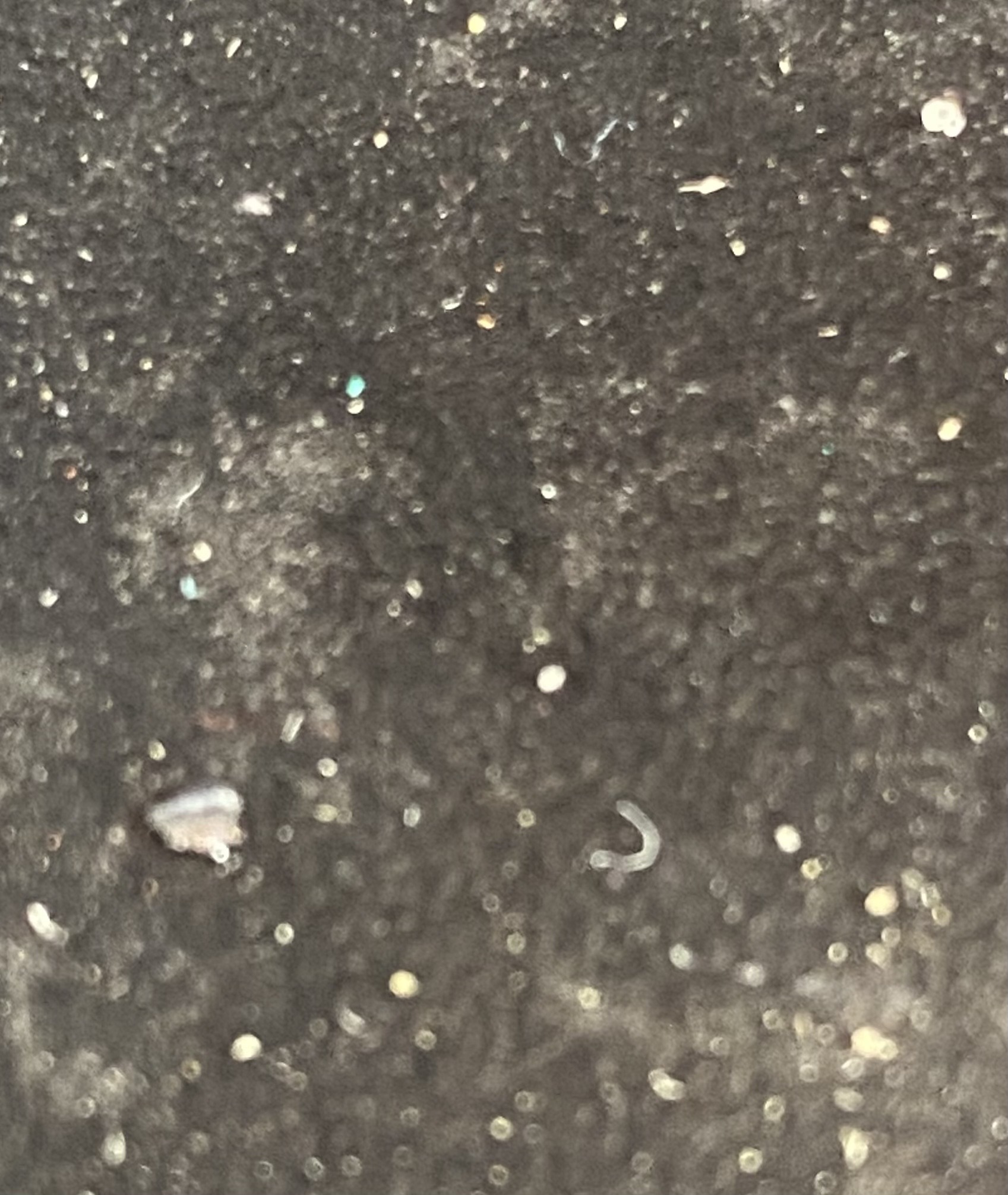
Size: Adult females are approximately 8-13 millimeters long; males are smaller at 2-5 millimeters.
Natural Habitat
The human digestive tract, specifically the large intestine and rectum, as well as household environments like bedding and clothes through egg contamination.
Diet & Feeding
They feed on intestinal content and cellular debris within the human host's digestive system.
Behavior Patterns
Nocturnal migration where female worms exit the anus to deposit thousands of eggs on the surrounding skin, causing significant itching. This facilitates the transmission cycle through self-inoculation or contact with contaminated surfaces.
Risks & Benefits
Causes enterobiasis, a common parasitic infection. Risks include intense perianal itching, sleep disturbance, and irritability. While generally not dangerous, it is highly contagious and requires medical treatment (such as pyrantel pamoate or mebendazole) and strict hygiene to eradicate.
Identified on: 6/2/2026