
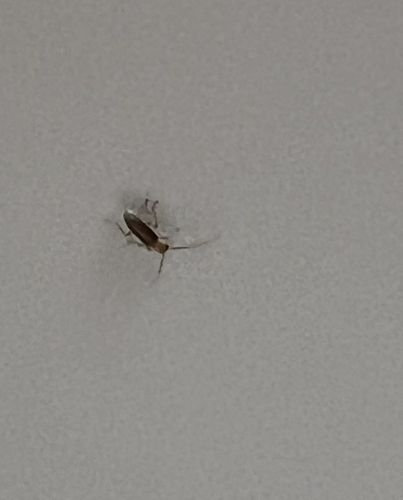
Silverfish
Lepisma saccharina
- Order & Family
- Order: Zygentoma (formerly Thysanura), Family: Lepismatidae
- Size
- Typically 13-25 mm (0.5-1 inch) in length, excluding their long antennae and three tail-like appendages (cerci).
Natural Habitat
Silverfish prefer dark, damp, and humid environments with temperatures between 70-80°F (21-27°C). Common indoor habitats include basements, attics, bathrooms, kitchens, closets, and storage areas. Outdoors, they can be found under rocks, bark, and in leaf litter.
Diet & Feeding
Silverfish are scavengers and primarily feed on carbohydrates, particularly starches and dextrin. They consume paper, glue, book bindings, photos, sugar, hair, dandruff, cotton, linen, silk, and dead insects. They can survive for long periods without food if water is available.
Behavior Patterns
Silverfish are primarily nocturnal and very secretive, preferring dark, damp places. They move very quickly and can be difficult to catch. They lay eggs in cracks and crevices. They are known for their distinctive, wiggling, fish-like movements. They undergo ametabolous metamorphosis, meaning they continue to molt throughout their lives, even as adults.
Risks & Benefits
Potential Risks: Silverfish are considered nuisance pests. They can cause damage to books, paper goods, clothing, upholstery, and food items through their feeding habits. They do not bite, sting, or transmit diseases to humans or pets. Potential Benefits: In outdoor environments, they can contribute to decomposition by breaking down organic matter, but their primary impact is as indoor pests.