
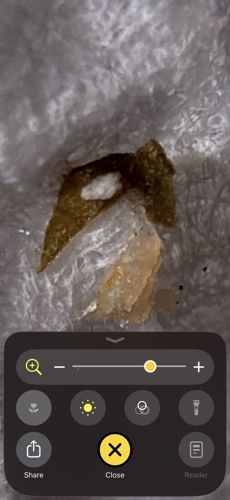
Lacewing Larva
Chrysoperla rufilabris (as a likely representative species)
- Order & Family
- Order: Neuroptera; Family: Chrysopidae
- Size
- 2 to 10 millimeters in length
Natural Habitat
Typically found on garden plants, agricultural crops, and near aphid colonies, though they occasionally enter homes accidentally.
Diet & Feeding
Voracious predators that eat small, soft-bodied insects like aphids, mites, mealybugs, and insect eggs. Some species camouflage themselves by carrying the husks of their prey (debris) on their backs.
Behavior Patterns
Often called 'aphid lions' due to their hunting prowess. They use curved, hollow mandibles to inject paralyzing fluid into prey and suck out the juices. Known for extremely active searching behavior on leaf surfaces.
Risks & Benefits
They are highly beneficial to ecosystems and gardeners as a form of natural pest control. While harmless to humans overall, they may occasionally nip with their mandibles if handled, causing a minor, brief irritation.