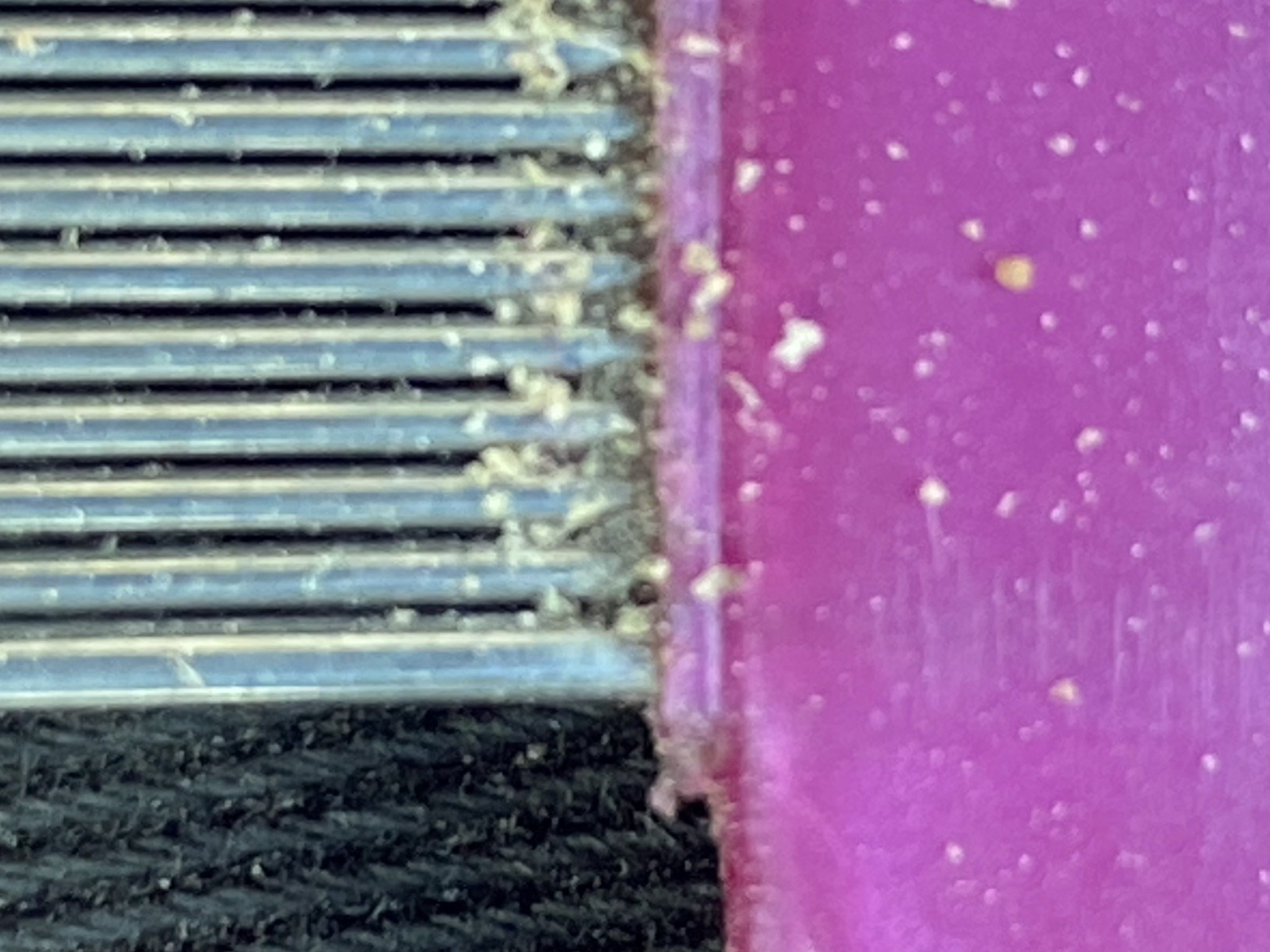
Head louse
Scientific Name: Pediculus humanus capitis
Order & Family: Order Psocodea, Family Pediculidae
Size: 2 to 3 mm in length (adults)
Natural Habitat
Human scalp and hair, specifically close to the skin for warmth and feeding
Diet & Feeding
Obligate hematophages; they feed exclusively on human blood multiple times a day
Behavior Patterns
Wingless and unable to jump; they spread through direct head-to-head contact. Females lay eggs (nits) firmly attached to hair shafts
Risks & Benefits
Cause intense itching (pruritus) and potential secondary skin infections from scratching; they are pests with no known ecological benefits to humans
Identified on: 6/27/2026