
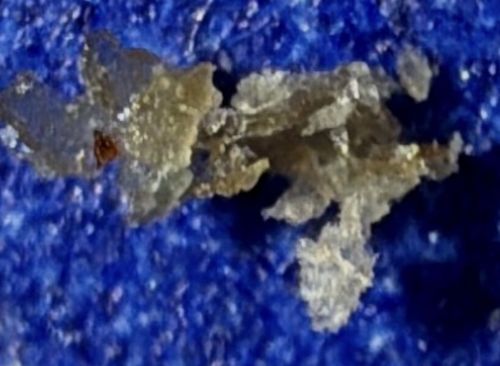
Community identification
Household Casebearer (also known as Plaster Bagworm)
Phereoeca uterella
- Order & Family
- Order: Lepidoptera, Family: Tineidae (Clothes Moths)
- Size
- Case length typically ranges from 8 mm to 14 mm.
Natural Habitat
Found primarily indoors in warm, humid climates. Common locations include walls, baseboards, closets, garages, and underneath furniture where dust accumulates.
Diet & Feeding
Larvae feed on spider webs, old insect skins, dead insects, hair, lint, and occasionally natural fibers like wool.
Behavior Patterns
The larva constructs a flattened, pumpkin-seed-shaped case out of silk and debris (sand, dust, fibers) for camouflage and protection. It drags this home along as it crawls and can withdraw completely inside if threatened.
Risks & Benefits
Generally considered a harmless nuisance. They do not bite or sting humans or pets. While they can feed on wool fibers, they are rarely abundant enough to cause significant damage compared to other clothes moths.