
Community identification
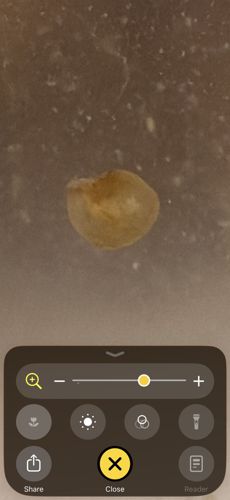
Aphid Mummy
Aphidiinae (subfamily)
- Order & Family
- Hymenoptera: Braconidae
- Size
- 2 mm to 4 mm
Natural Habitat
Found on the undersides of leaves or stems where aphid colonies are present, typically in gardens, farms, and greenhouses.
Diet & Feeding
As larvae, they are endoparasitoids that consume the internal organs of a host aphid; adults may feed on nectar or honeydew.
Behavior Patterns
A female wasp lays an egg inside a live aphid. The larva consumes the aphid from within, causing the aphid's exoskeleton to harden into a tan or gold 'mummy' shell. The adult wasp eventually cuts a circular exit hole to emerge.
Risks & Benefits
Highly beneficial for biological pest control; they significantly reduce aphid populations in agricultural and home garden settings without harming humans.