
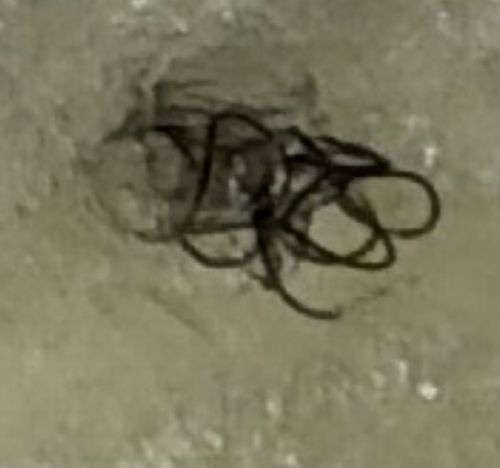
Horsehair Worm (also known as Gordian Worm)
Nematomorpha (Phylum)
- Order & Family
- Order: Gordioidea, Family: Various (e.g., Gordiidae)
- Size
- Typically 10 to 70 centimeters (4 to 28 inches) long, but extremely thin (1-3 millimeters in diameter).
Natural Habitat
Adults are aquatic and found in puddles, livestock troughs, toilets, pools, and streams. Larvae are parasitic inside terrestrial insects like crickets and grasshoppers.
Diet & Feeding
Adults do not feed; they rely on energy stores. Larvae are internal parasites that absorb nutrients from their insect hosts (mainly crickets, grasshoppers, katydids, and beetles).
Behavior Patterns
They are often seen twisting into intricate knots (hence the name Gordian worm). The parasite manipulates host behavior, forcing the insect to seek water, where the adult worm bursts out of the host to mate and lay eggs.
Risks & Benefits
Risks: Harmless to humans, pets, and plants; they cannot infect mammals. Benefits: They act as natural pest control by parasitizing and killing common garden pests like crickets, cockroaches, and grasshoppers.