
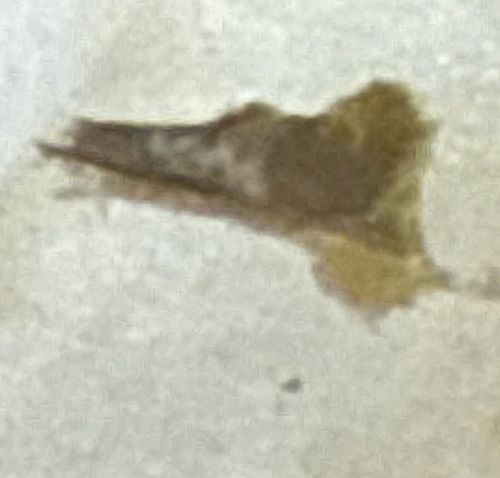
Phereoeca uterella (often called the Plaster Bagworm or Household Casebearer)
Phereoeca uterella
- Order & Family
- Order: Lepidoptera, Family: Tineidae
- Size
- The larval case is typically 8–13 mm long (approx. 0.3–0.5 inches).
Natural Habitat
Typically found inside homes, especially in humid climates like Florida or tropical regions. They frequent walls (particularly stucco or plaster), baseboards, and underneath furniture.
Diet & Feeding
The larvae feed on keratin/protein-rich debris including spider webs, old insect skins, wool, and human hair, as well as general house dust and fibers.
Behavior Patterns
The larva constructs a flattened, pumpkin-seed-shaped protective case made of silk and debris (sand, soil, fibers). It drags this case around as it moves. The case has openings at both ends so the larva can turn around inside without leaving its home.
Risks & Benefits
They are generally considered a nuisance pest rather than a danger. They do not bite or sting humans or pets. While they can feed on woolen fabrics, they are distinct from the more damaging Clothes Moth and are usually less destructive, preferring loose debris/webs.