
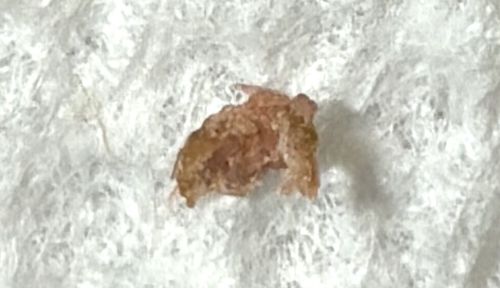
Lawn Shrimp (also known as House Hopper, Land Amphipod, or Arcitalitrus)
Arcitalitrus sylvaticus
- Order & Family
- Amphipoda: Talitridae
- Size
- Typically 5mm to 20mm in length
Natural Habitat
They live in moist, organic soil, mulch, ivy, and decaying leaf litter. They require high moisture environments and are often found outdoors in gardens. After heavy rains or during drought, they may migrate indoors or die on driveways where they dry out and turn pink/orange.
Diet & Feeding
Detritivores; they feed on decaying plant matter, mold, and other decomposing organic material found in soil and mulch.
Behavior Patterns
They are nocturnal and require moisture to survive because they lack a waxy exoskeleton to retain water. When they die, their bodies dehydrate rapidly and turn a distinct salmon-pink or reddish-brown color (like cooked shrimp), curling into a 'C' shape. They jump erratically when disturbed, hence the name 'hopper.'
Risks & Benefits
Risks: They are a nuisance pest but purely harmless to humans and pets; they do not bite, sting, or damage household structures/furniture. Benefits: They play a useful role in the ecosystem by breaking down decaying organic matter and enriching the soil.