
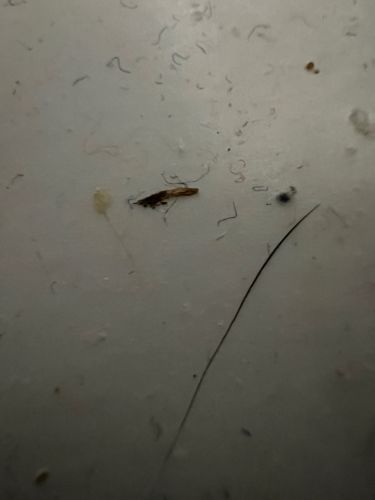
Cat flea
Ctenocephalides felis
- Order & Family
- Siphonaptera, Pulicidae
- Size
- 1.5 mm to 3 mm in length
Natural Habitat
Inhabits the fur and skin of host animals (primarily cats and dogs) and is found in household carpets, bedding, and floor cracks where pets rest.
Diet & Feeding
Obligate hematophagous insects; adults feed exclusively on the blood of mammals (primarily cats and dogs, though they will bite humans). Larvae feed on organic debris and adult flea feces (flea dirt).
Behavior Patterns
Wingless, laterally flattened insects capable of jumping long distances to reach a host. They undergo complete metamorphosis (egg, larva, pupa, adult), with eggs often falling off the host into the environment.
Risks & Benefits
Risks include causing intense itching, allergic dermatitis, and hair loss in pets. They can transmit tapeworms (Dipylidium caninum) if ingested and may occasionally transmit certain bacterial pathogens to humans.