
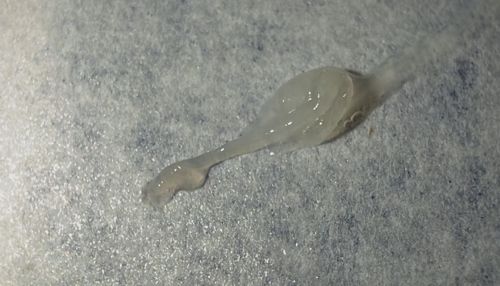
Hammerhead Flatworm (or Broadhead Planarian)
Bipalium spp. (e.g., Bipalium adventitium or Bipalium kewense)
- Order & Family
- Order: Tricladida; Family: Geoplanidae
- Size
- Typically ranges from 5 to 30 cm (2 to 12 inches) in length, depending on the species.
Natural Habitat
Found in warm, damp environments, often under rocks, logs, leaf litter, and in greenhouses. They are invasive in many parts of the United States and Europe.
Diet & Feeding
Carnivorous predators that feed primarily on earthworms, slugs, insect larvae, and sometimes other flatworms. They subdue prey using sticky secretions and sometimes neurotoxins.
Behavior Patterns
They are nocturnal hunters that move by gliding over a slime trail they secrete. They can regenerate a complete organism from small cut fragments of their body.
Risks & Benefits
Risks: They are considered an invasive pest because they prey on beneficial earthworms, which affects soil health. Some species (like B. adventitium and B. kewense) secrete a neurotoxin called tetrodotoxin, which can irritate skin or be harmful to pets if ingested. Benefits: None significant in non-native ecosystems.