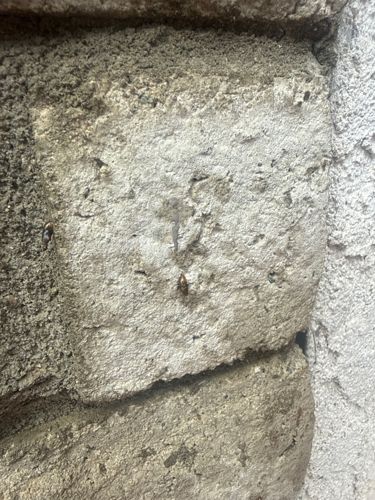
German Cockroach (Nymph)
Scientific Name: Blattella germanica
Order & Family: Blattodea: Ectobiidae
Size: 1.5 mm to 12 mm (nymphal stages prior to adult maturity)
Natural Habitat
Primarily indoor environments such as kitchens, bathrooms, and laundry areas; favors warm, humid, and dark cracks and crevices near food and water sources.
Diet & Feeding
Omnivorous scavengers that consume almost anything including food scraps, grease, starches, adhesives, and even soap.
Behavior Patterns
Nocturnal and highly gregarious, they hide in small voids during the day. Nymphs go through multiple molts before reaching adulthood; they are fast runners and tend to stay close to where they were hatched.
Risks & Benefits
Significant public health risk as they can spread pathogens, bacteria (like Salmonella and E. coli), and parasitic worms. Their droppings and shed skins are major triggers for allergies and asthma in humans. They offer no notable benefits in residential environments.
Identified on: 12/31/2025