
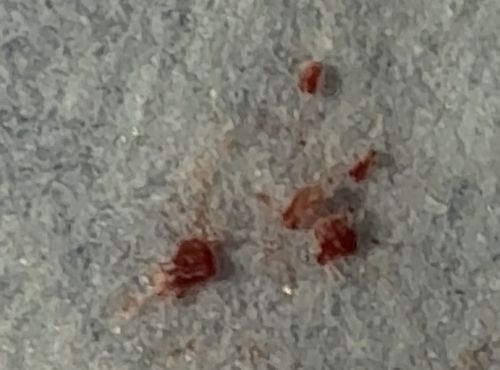
Clover Mite
Bryobia praetiosa
- Order & Family
- Order: Trombidiformes; Family: Tetranychidae (Spider Mites)
- Size
- Extremely small, approximately 0.75 mm to 0.85 mm long (smaller than a pinhead).
Natural Habitat
Typically found on well-fertilized lawns, grasses, and clovers. They frequently invade homes in the spring and autumn, crawling on windowsills, walls, and siding, especially on the sunnier sides of buildings.
Diet & Feeding
They feed on plant juices from clover, grasses, lawns, ornamental plants, and weeds. They do not feed on humans or animals.
Behavior Patterns
They are most active in cool weather (spring and fall) and go dormant during hot summers and freezing winters. When crushed, they leave a characteristic red stain, which is their body pigment, not blood. They are known for congregating in large numbers on vertical surfaces.
Risks & Benefits
Risks: They are a nuisance pest rather than a health threat. They do not bite, sting, or transmit diseases to humans or pets. The primary concern is the red staining on fabrics, walls, and carpets when they are crushed. Benefits: They play a minor role in the soil ecosystem but can damage lawns if populations are extremely high.