
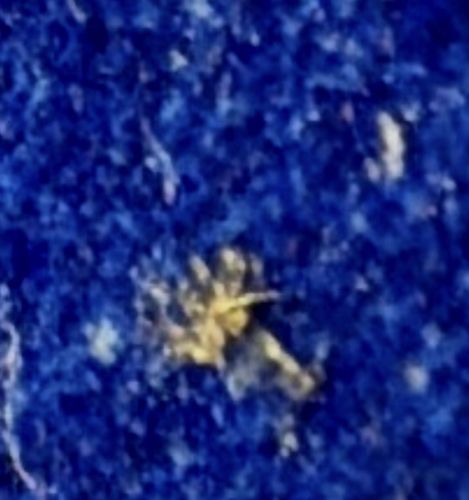
Dust Mite
Dermatophagoides spp. (most commonly D. pteronyssinus or D. farinae)
- Order & Family
- Order: Sarcoptiformes / Family: Pyroglyphidae
- Size
- Microscopic; typically 0.2 to 0.3 mm in length. They are usually invisible to the naked eye but can be seen as tiny specks against dark backgrounds with magnification.
Natural Habitat
Found indoors worldwide, thriving in warm, humid environments. They congregate in fibrous materials like mattresses, bedding, upholstered furniture, and carpets where dead skin cells accumulate.
Diet & Feeding
Detritivores that primarily feed on dead skin scales (dander) shed by humans and pets, as well as some fungal molds.
Behavior Patterns
They do not bite or sting. Instead, they scuttle deep into fabric fibers to avoid light and desiccation. They reproduce rapidly in high humidity (above 50%) and warm temperatures.
Risks & Benefits
Risk: They are a major source of indoor allergens. Their feces and decaying body parts contain proteins that can trigger allergic reactions and asthma attacks in sensitive individuals. Benefit: They serve a minor ecological role as decomposers of organic waste (skin cells), though this 'service' is generally unwanted in human homes.