
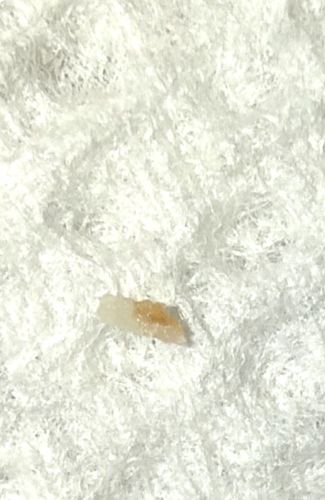
Booklouse (or Psocid)
Liposcelis spp.
- Order & Family
- Order: Psocodea (formerly Psocoptera); Family: Liposcelididae
- Size
- Very small, typically 1 mm to 2 mm in length.
Natural Habitat
Found in warm, damp environments; typically lives indoors in humid areas like bathrooms, basements, or near window sills; often found in old books, stored grains, cardboard boxes, and starchy materials.
Diet & Feeding
Primarily feeds on microscopic mold, fungi, yeasts, starch, book bindings/glue, wallpaper paste, and stored grains.
Behavior Patterns
They do not bite or sting. They tend to run quickly in jerky movements rather than fly (most indoor species are wingless). They thrive in high-humidity conditions where mold can grow.
Risks & Benefits
Risks: Generally harmless to humans and pets (no biting or disease transmission), but their presence usually indicates a moisture or mold problem; can be a nuisance pest in pantries or archives. Benefits: None significant in a household context, though they act as decomposers in nature.