
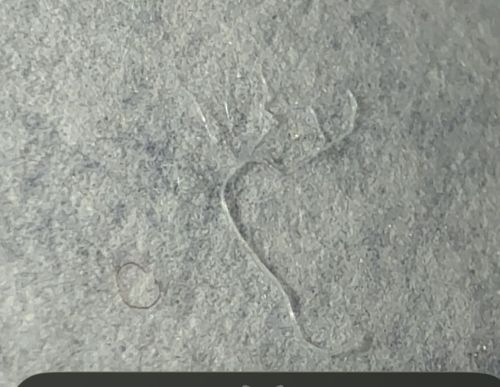
Freshwater Hydra
Hydra sp. (likely Hydra vulgaris or similar)
- Order & Family
- Order Anthoathecata, Family Hydridae
- Size
- Very small; typically 5mm to 10mm (0.2 to 0.4 inches) when fully extended, but can contract into a tiny blob.
Natural Habitat
Found in unpolluted freshwater environments including ponds, lakes, swamps, and aquariums. They typically attach to submerged rocks, plants, or aquarium walls.
Diet & Feeding
Carnivorous predator; feeds on small aquatic invertebrates like daphnia, cyclops, and newly hatched insect larvae or small fish fry using stinging tentacles.
Behavior Patterns
Characterized by its tubular body and ring of tentacles. It is sessile (attached) most of the time but can move by looping (somersaulting) or floating. It has impressive regenerative capabilities and reproduces asexually by budding or sexually.
Risks & Benefits
Generally harmless to humans (too small to sting effectively). However, they are considered pests in aquariums as they can kill shrimp fry and very small fish. They are beneficial in nature as a part of the microscopic food web.