
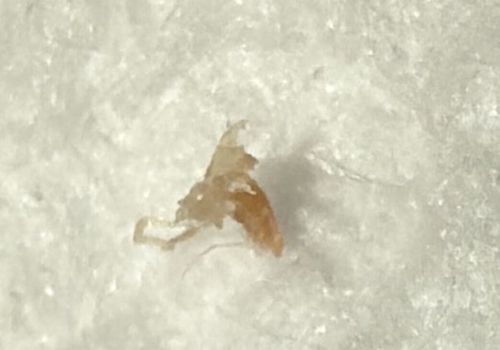
Pharaoh Ant
Monomorium pharaonis
- Order & Family
- Order: Hymenoptera, Family: Formicidae
- Size
- 1.5 to 2.0 mm (very small)
Natural Habitat
Nests exclusively indoors in temperate climates, often found in wall voids, under appliances, inside light fixtures, and near heating ducts. They prefer warm (80-86°F) and humid areas.
Diet & Feeding
Omnivorous; they feed on a wide variety of foods including sweets like syrup and jelly, proteins like meats and grease, and dead insects.
Behavior Patterns
They are known for 'budding' (colony fragmentation) rather than traditional swarming. If a colony is disturbed by repellant insecticides, it will split into multiple smaller colonies, spreading the infestation rapidly. They form clear foraging trails.
Risks & Benefits
Risks: Major nuisance pest in homes and particularly dangerous in hospitals due to their ability to spread pathogens like Salmonella and Streptococcus. They can contaminate sterile equipment and feed on patient wounds. Benefits: They serve as scavengers in their native tropical environments but offer little to no benefit in human dwellings.