
Community identification
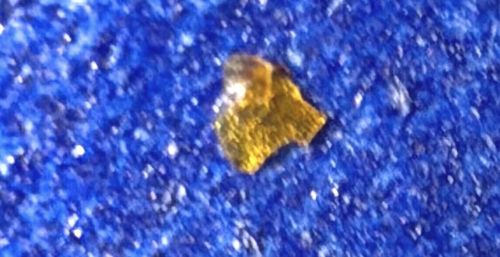
Bed Bug Shell / Molt / Casing
Cimex lectularius (Exuviae)
- Order & Family
- Order: Hemiptera, Family: Cimicidae
- Size
- Approximately 1mm to 4.5mm (depending on the nymph stage the shedding came from).
Natural Habitat
Typically found indoors in cracks, crevices, mattresses, box springs, headboards, and furniture upholstery near where humans sleep.
Diet & Feeding
The casings themselves do not eat, but the living bugs feed exclusively on the blood of humans and other mammals.
Behavior Patterns
This object is not a living insect but the shed exoskeleton (exuvia) left behind as a bed bug nymph grows. Bed bugs must molt five times before reaching maturity, leaving one of these amber-colored skins behind each time.
Risks & Benefits
Risk: Finding a casing is a strong indicator of an active bed bug infestation, which can lead to itchy bites, allergic reactions, and significant psychological distress. They do not transmit diseases but are notoriously difficult to eradicate.