
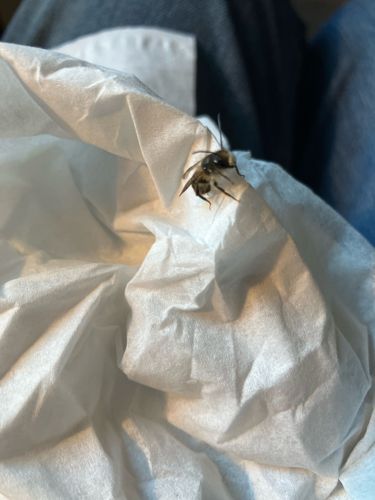
Community identification
Western Honey Bee
Apis mellifera
- Order & Family
- Hymenoptera: Apidae
- Size
- 10–20 mm (approx. 0.4–0.8 inches)
Natural Habitat
Gardens, orchards, meadows, and areas with abundant flowering plants; hives are often found in hollow trees or provided by beekeepers.
Diet & Feeding
Nectar and pollen from a wide variety of flowers. Foragers bring food back to the hive to share with the colony.
Behavior Patterns
Eusocial insects living in complex colonies with a queen, drones, and worker bees. They communicate floral locations via a 'waggle dance' and are active during daylight hours.
Risks & Benefits
Benefits: Essential pollinators for many food crops and natural ecosystems; producers of honey and wax. Risks: Can sting if threatened or if the hive is disturbed, which may cause severe allergic reactions (anaphylaxis) in some individuals.