
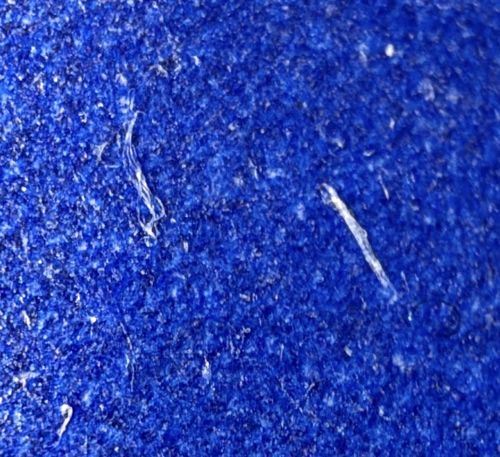
Community identification
Pinworm
Enterobius vermicularis
- Order & Family
- Order: Oxyurida, Family: Oxyuridae
- Size
- Females: 8–13 mm; Males: 2–5 mm in length.
Natural Habitat
Human gastrointestinal tract (primarily the colon and rectum) and surrounding perineal skin.
Diet & Feeding
Intestinal contents, bacteria, and epithelial cells within the human gut.
Behavior Patterns
Female worms migrate out of the anus at night to lay thousands of microscopic eggs on the surrounding skin. This causes intense itching (pruritus ani), which leads to scratching and the transfer of eggs to hands or surfaces, continuing the life cycle.
Risks & Benefits
Risks include intense itching, disturbed sleep, and secondary skin infections from scratching. They are highly contagious, especially among children. There are no known benefits to the host; they are obligate parasites.