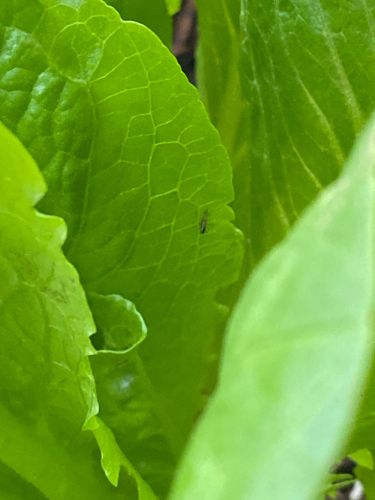
Fungus Gnat
Scientific Name: Sciaridae (family)
Order & Family: Order: Diptera; Family: Sciaridae
Size: 2-8 mm (approx. 1/16 to 1/8 inch)
Natural Habitat
Damp environments with high organic matter, such as houseplant soil, greenhouses, and gardens with compost or mulch.
Diet & Feeding
Adults do not feed significantly; larvae feed on fungi, algae, and decaying organic matter in the soil, sometimes consuming plant roots.
Behavior Patterns
Adults are weak fliers and often seen running across soil or leaves. They are attracted to light and moisture. Females lay eggs in moist soil, and the life cycle from egg to adult takes about 3-4 weeks.
Risks & Benefits
Generally harmless to humans but can be a major nuisance. Larvae can damage plant roots if populations are high, potentially stunting growth or transmitting fungal diseases like Pythium.
Identified on: 3/11/2026