
Community identification
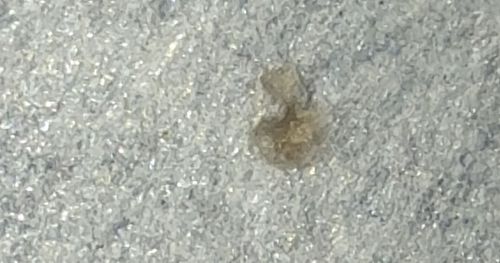
Masked Hunter Nymph (Camouflaged)
Reduvius personatus
- Order & Family
- Hemiptera: Reduviidae (Assassin Bugs)
- Size
- Nymphs vary from very small to about 15-20 mm before adulthood; adults are 17-22 mm.
Natural Habitat
Often found indoors in dusty corners, attics, and basements, as well as outdoors in crevices, woodpiles, and sandy areas.
Diet & Feeding
Predatory; they feed on household pests like bed bugs, silverfish, carpet beetles, and other small arthropods.
Behavior Patterns
Nymphs are famously known as 'dust bugs' because they cover their bodies with dust, lint, sand, and debris to camouflage themselves from both predators and prey. They are stealthy hunters that ambush their meals.
Risks & Benefits
Benefits: They act as natural pest control by eating other unwanted household insects. Risks: If handled or threatened, they can inflict a very painful bite, though they are not aggressive toward humans and do not transmit diseases.