
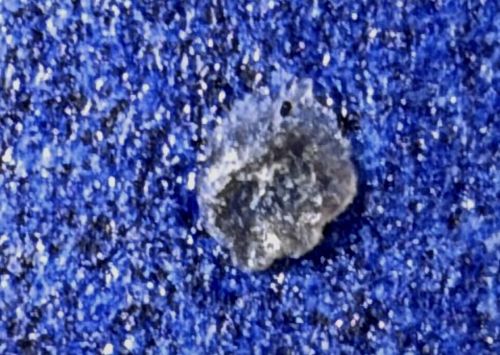
Case-bearing Clothes Moth (Larval case)
Tinea pellionella
- Order & Family
- Order: Lepidoptera, Family: Tineidae
- Size
- Larval case length is typically 5 mm to 10 mm (approx. 0.2 to 0.4 inches).
Natural Habitat
Typically found indoors in dark, undisturbed areas such as closets, basements, and beneath heavy furniture. They thrive near sources of keratin-rich fibers like wool, fur, felt, and feathers.
Diet & Feeding
The larvae feed on keratin, a protein found in natural animal fibers. This includes wool clothing, carpets (as shown in the image background), felt, fur, silk, and sometimes pet hair or lint accumulated in corners.
Behavior Patterns
Unlike the Webbing Clothes Moth, the Case-bearing moth larva constructs a portable, silken tube-like case around itself, often incorporating fibers from the material it is eating (which helps camouflage it). It drags this case along as it moves and feeds from either end. When ready to pupate, it will seal the case and attach it to a surface, often wandering away from the food source to do so.
Risks & Benefits
Risks: They are significant household pests that can cause irreparable damage to expensive clothing, rugs, upholstery, and tapestries by chewing holes through the fibers. Benefits: In nature, they act as decomposers of animal remains, but inside homes, they offer no discernible benefits.