
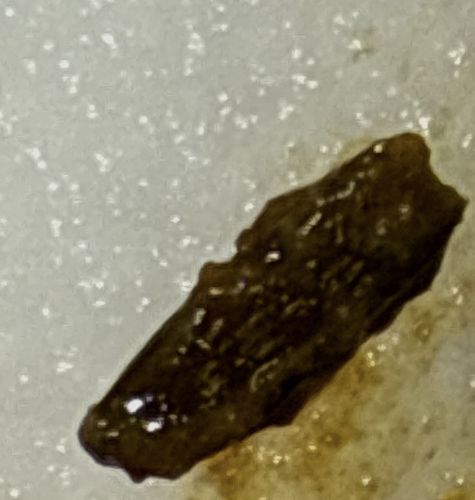
Household Casebearer (often referred to as Plaster Bagworm)
Phereoeca uterella
- Order & Family
- Order: Lepidoptera, Family: Tineidae
- Size
- Larval stick-like case is approximately 8 to 13 mm (0.3 to 0.5 inches) long.
Natural Habitat
Typically found indoors in dry, dusty areas of houses such as corners, under furniture, in closets, and along baseboards. They thrive in climates with high humidity.
Diet & Feeding
Feeds on old spider webs, wool, hair, insect debris, and other natural fibers found in household dust.
Behavior Patterns
The larva builds a protective, flattened, spindle-shaped case using silk and camouflage debris (sand, dust, fibers). It drags this case around as it moves. Before pupating, they often attach their case to walls or ceilings, sometimes leaving a small 'tail' of silk.
Risks & Benefits
Generally considered a harmless household nuisance rather than a serious pest. They do not bite or sting humans. While they can feed on wool fibers, they rarely cause significant damage to clothing unless in large numbers. They can help clean up minor organic debris like old spider webs.