
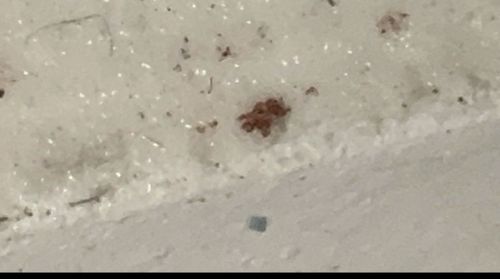
Clover Mite
Bryobia praetiosa
- Order & Family
- Order: Trombidiformes, Family: Tetranychidae
- Size
- Very small; typically about 0.75 mm (less than 1/30th of an inch) in length. They appear like tiny moving red specks to the naked eye.
Natural Habitat
Typically found outdoors on lawns, clover, and other plants. They frequently invade homes in the spring and fall, often appearing around windows, doors, and sunny exterior walls.
Diet & Feeding
They feed on plant sap, sucking juices from grasses, clovers, and over 200 other types of garden plants.
Behavior Patterns
Clover mites are parthenogenic (females reproduce asexually without males). They tend to migrate indoors when outdoor conditions become unfavorable (too hot, too cold, or when host plants die back). They are often seen gathering in large numbers on sunny, warm surfaces.
Risks & Benefits
Risks: They are a nuisance pest but do not bite, sting, or transmit diseases to humans or pets. Their main downside is that crushing them leaves a persistent reddish stain on fabrics and walls due to their body pigmentation. Benefits: Negligible in a home context, though they are part of the broader garden ecosystem.