
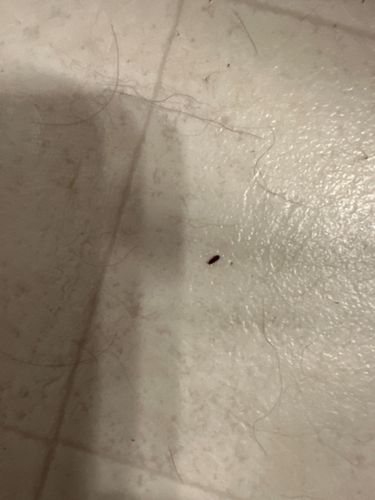
Flea
Ctenocephalides felis (most likely cat flea)
- Order & Family
- Siphonaptera, Pulicidae
- Size
- 1.5 to 3.3 mm long
Natural Habitat
Found indoors and outdoors, typically associated with birds and mammals, including domestic pets like cats and dogs.
Diet & Feeding
Adults are hematophagous, meaning they feed exclusively on the blood of mammals or birds. Larvae eat organic debris and dried blood feces (flea dirt).
Behavior Patterns
Fleas are wingless but are exceptional jumpers. They undergo complete metamorphosis (egg, larva, pupa, adult). Adults remain on their host to feed and mate, while eggs and larvae fall into the surrounding environment like carpets or pet bedding.
Risks & Benefits
Fleas are significant pests that cause itchy red bumps. They can transmit diseases such as flea-borne typhus, plague, and tapeworms. They offer no notable benefits to the human ecosystem and often require professional pest control to eradicate infestations.