
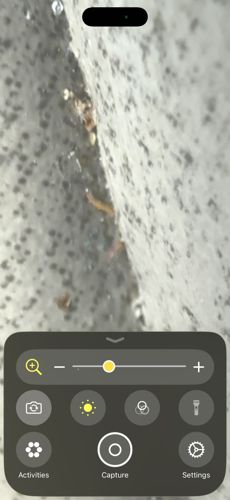
Wireworm (Click Beetle Larva)
Elateridae family (Generic larval stage)
- Order & Family
- Order: Coleoptera, Family: Elateridae
- Size
- Generally 1/2 inch to 1.5 inches (1.3 cm to 3.8 cm) in length.
Natural Habitat
Typically found in soil, rotting wood, and under bark. They are also common agricultural pests found in gardens, crop fields (especially potatoes and corn), and occasionally wander indoors into basements or crevices seeking moisture.
Diet & Feeding
Feed primarily on roots, seeds, tubers, and underground stems of plants. Some species are predaceous and eat other insect larvae.
Behavior Patterns
Wireworms are the long-lived larval stage (lasting 2-6 years) of click beetles. They live underground or in protected crevices, moving vertically in the soil to regulate temperature and moisture. They are attracted to carbon dioxide given off by plant roots.
Risks & Benefits
Risks: Can be significant pests to vegetable gardens and crops, damaging root systems and tubers. Generally harmless to humans and do not bite or sting. Benefits: Some predatory species help control populations of other soil-dwelling insect pests.