
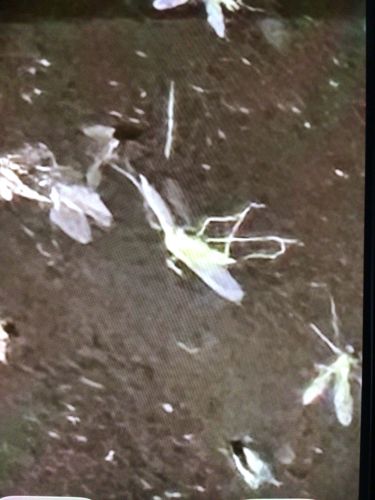
Community identification
Non-biting midge
Chironomus plumosus (representative species)
- Order & Family
- Order: Diptera; Family: Chironomidae
- Size
- 1 to 10 mm in length
Natural Habitat
Found near freshwater bodies like lakes, ponds, and slow-moving rivers where larvae develop in aquatic sediment.
Diet & Feeding
Adults typically do not feed or may consume nectar/honey dew; larvae (bloodworms) feed on organic debris and algae in the water.
Behavior Patterns
Adults form large, buzzing mating swarms, often at dusk. They are strongly attracted to artificial lights and have a very short adult lifespan of just a few days.
Risks & Benefits
They do not bite or spread disease, but large swarms can be a nuisance and cause allergic reactions in sensitive individuals. They are beneficial as a major food source for fish and birds.