
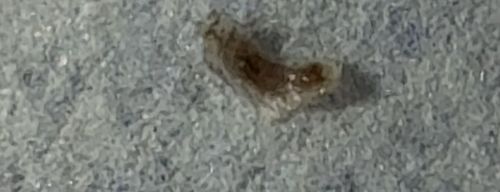
Household Casebearer or Plaster Bagworm
Phereoeca uterella (formerly Phereoeca dubitatrix)
- Order & Family
- Order: Lepidoptera, Family: Tineidae
- Size
- Larval case is typically 8-13 mm (approx. 0.3 - 0.5 inches) long.
Natural Habitat
Typically found indoors in dry, dusty areas of houses like garages, closets, and along baseboards. They thrive in humid climates, particularly in places like Florida and the Caribbean.
Diet & Feeding
The larvae feed on old spider webs, wool, hair, lint, dead insect parts, and sometimes natural fibers like wool rugs or clothing.
Behavior Patterns
The larva constructs a flat, spindle-shaped case made of silk and covered with sand, dust, and debris, which it drags around while it feeds. The case is open at both ends, allowing the larva to turn around inside the case to feed or move in the opposite direction.
Risks & Benefits
Generally considered a harmless nuisance pest. They do not sting or bite humans, but in large numbers, they may cause minor damage to wool, silk, or fur items in closets. They help clean up minor debris.