Tapeworm Segment (Proglottid)
Scientific Name: Dipylidium caninum (most common species found on pet bedding)
Order & Family: Order: Cyclophyllidea, Family: Dipylidiidae
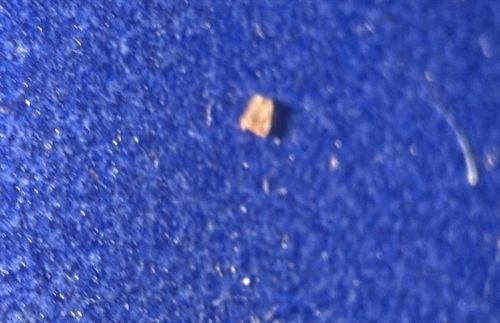
Size: Each segment is approximately 1/8 to 1/2 inch long (resembling a grain of rice or a cucumber seed).
Natural Habitat
Typically found in the intestines of dogs and cats; segments are often discovered on pet bedding, around the pet's anus, or in feces.
Diet & Feeding
The adult tapeworm absorbs nutrients mainly from the host's intestinal contents.
Behavior Patterns
The tapeworm sheds segments containing eggs which pass out of the host. These segments can sometimes be seen moving freshly after exiting, but eventually dry out to look like dried rice grains or sesame seeds.
Risks & Benefits
Risks include irritation and weight loss in pets. While humans (especially children) can be infected if they accidentally ingest an infected flea (the intermediate host), direct human-to-human transmission is rare. It serves no known benefit to the host ecosystem.
Identified on: 2/23/2026