Tunga Penetrans (also known as Chigoe Flea, Jigger, or Sand Flea)
Scientific Name: Tunga penetrans
Order & Family: Order: Siphonaptera, Family: Tungidae
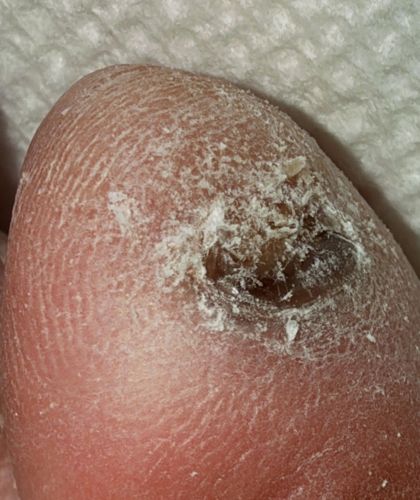
Size: Males and non-gravid females are very small, approximately 1 mm in length. When the female burrows into the skin and becomes gravid (full of eggs), she can expand significantly, reaching up to 10 mm in diameter, resembling a white pea with a black dot.
Natural Habitat
Found in tropical and sub-tropical regions, primarily in Central and South America, the Caribbean, and sub-Saharan Africa. They thrive in sandy climates, beaches, stables, and farms with dry, dusty soil.
Diet & Feeding
Adults feed on the blood of mammals (including humans, pigs, dogs, cats, and rats). Larvae feed on organic debris found in the soil.
Behavior Patterns
Unlike typical fleas that bite and leave, the female Tunga penetrans burrows head-first into the skin of the host, leaving only her posterior breathing spiracles exposed. This usually occurs on the feet (toes, soles, heels) as these are most often in contact with the ground. Once embedded, she feeds on blood, swells with eggs, releases them into the environment, and eventually dies and is sloughed off.
Risks & Benefits
Risks: This parasite causes Tungiasis, an intensely itchy and painful skin condition. The burrowing causes inflammation and lesions that are highly susceptible to secondary bacterial infections like Staphylococcus aureus, which can lead to abscesses, gangrene, and even tetanus. Benefits: None known; it is a parasitic pest.
Identified on: 2/9/2026