
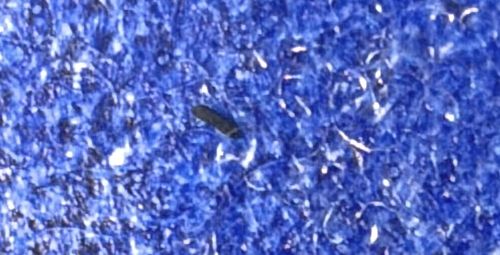
Thrips
Thysanoptera
- Order & Family
- Order: Thysanoptera (Families include Thripidae, Phlaeothripidae, etc.)
- Size
- Very small, typically 0.5 to 5 mm in length; most are under 1.5 mm.
Natural Habitat
Found globally, typically on plants (flowers, leaves, and bark). Some species are found in soil or leaf litter. They are often brought indoors on houseplants or cut flowers.
Diet & Feeding
Most are phytophagous (feeding on plant juices from leaves, flowers, or fruits). Some are fungivorous (eating fungus), and a few are predatory, feeding on mites and other small insects.
Behavior Patterns
They are poor flyers but can drift long distances on wind currents. They reproduce quickly and can be seen crawling rapidly on surfaces. Thrips often cause damage by puncturing plant cells and sucking out the contents, leaving silvery or white speckled patches on leaves.
Risks & Benefits
Risks: Major agricultural and horticultural pests; they damage crops and transmit plant viruses (like Tospoviruses). They can occasionally bite humans, causing minor skin irritation, but are not harmful to people. Benefits: Predatory thrips control mite populations; some aid in pollination.