Bird Mite (or possibly Rat Mite)
Scientific Name: Ornithonyssus spp. (e.g., Ornithonyssus sylviarum or Ornithonyssus bursa)
Order & Family: Order: Mesostigmata, Family: Macronyssidae
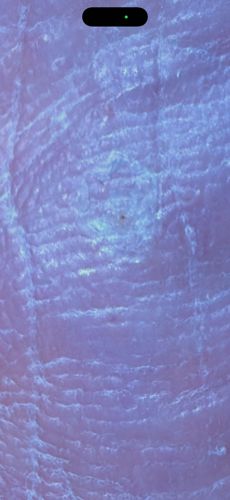
Size: Extremely small, usually less than 1 mm (0.5mm - 0.7mm). They are barely visible to the naked eye, appearing as tiny moving specks like ground pepper.
Natural Habitat
Typically found in bird nests (pigeons, starlings, sparrows, poultry) or rodent nests. They migrate into homes when their original host leaves the nest or dies, often entering through windows, vents, or cracks near the nesting site.
Diet & Feeding
Parasitic blood feeders. They primarily feed on the blood of birds (or rodents), but will bite humans and pets opportunistically if their primary host is unavailable.
Behavior Patterns
They are active wanderers when searching for a host. They have a short lifecycle (around 7-14 days from egg to adult). While they can bite humans, they generally cannot complete their life cycle on human blood and will eventually die off without a bird or rodent host.
Risks & Benefits
Risks: Their bites can cause intense itching, rashes, and skin irritation (dermatitis) in humans. The sensation is often described as a 'crawling' feeling. They are nuisance pests but generally do not transmit diseases to humans in significant numbers, unlike ticks. Benefits: None to humans or households; they are purely parasitic.
Identified on: 2/9/2026