
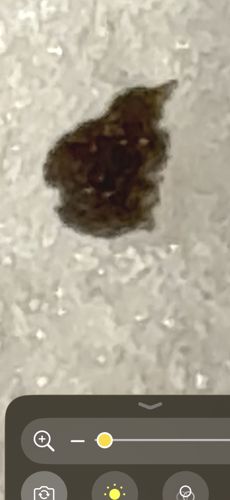
Masked Hunter Nymph (Camouflaged)
Reduvius personatus
- Order & Family
- Order: Hemiptera, Family: Reduviidae (Assassin Bugs)
- Size
- Nymphs vary by instar but generally range from a few millimeters up to nearly 2 cm before adulthood.
Natural Habitat
Often found in dusty indoor environments such as attics, crawlspaces, and corners of rooms. Outdoors, they inhabit dry areas where they can hunt other insects.
Diet & Feeding
They are generalist predators that feed on other arthropods, including bed bugs, earwigs, carpet beetles, and woodlice. They suck the body fluids from their prey.
Behavior Patterns
The nymphs have sticky hairs on their bodies that collect dust, lint, and debris, effectively camouflaging them as a 'walking dust bunny' or lint ball to ambush prey. They are solitary and move relatively slowly until striking prey.
Risks & Benefits
Benefit: They are excellent natural pest control, eating unwanted house guests like bed bugs. Risk: They can inflict a painful bite if handled or pinned against skin, similar to a bee sting, though they do not transmit diseases.