
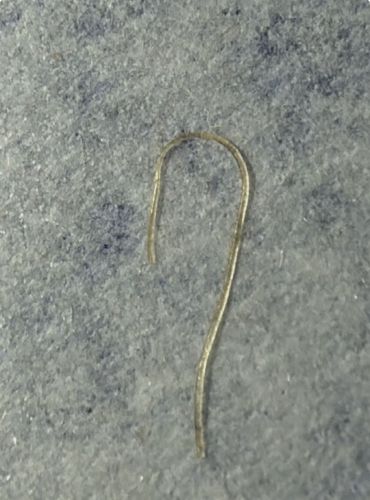
Horsehair Worm (also known as Gordian Worm)
Nematomorpha (Phylum)
- Order & Family
- Order: Gordioidea, Family: Gordiidae (common family, though various exist)
- Size
- Typically 10 to 70 centimeters (4 to 28 inches) in length, but extremely thin (1 to 3 millimeters wide).
Natural Habitat
Adults live in freshwater environments like puddles, troughs, streams, and wet soil. Can occasionally be found indoors if their insect host dies there (often near toilets or pet bowls).
Diet & Feeding
Adults generally do not feed. Larvae are parasitic and feed on the internal tissues of arthropods, primarily crickets, cockroaches, grasshoppers, and beetles.
Behavior Patterns
They begin life as larvae inside an insect host. When they mature, they manipulate the host's behavior to seek water, where the adult worm bursts out to mate and lay eggs. They often twist themselves into intricate knots, hence the name 'Gordian'.
Risks & Benefits
Risks: Generally harmless to humans, pets, and plants; they do not infect mammals. Benefits: They can be beneficial biological controls as they parasitize and kill pest insects like cockroaches and crickets.