
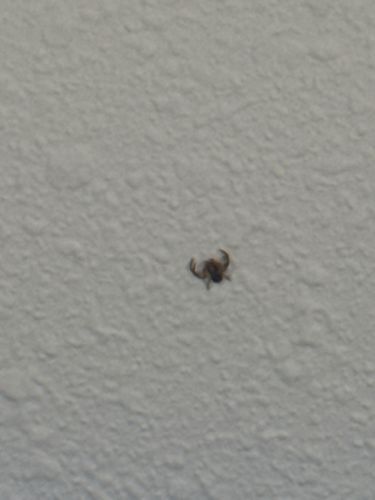
Community identification
Pseudoscorpion
Chelifer cancroides (most common house species)
- Order & Family
- Order: Pseudoscorpiones, Family: Cheliferidae
- Size
- 2 to 8 millimeters (0.08 to 0.3 inches)
Natural Habitat
Damp environments, leaf litter, under tree bark, and indoors in bathrooms or kitchens near drains and books.
Diet & Feeding
Carnivorous; they eat small arthropods like moth fly larvae, carpet beetle larvae, booklice, ants, mites, and small flies.
Behavior Patterns
They use pincer-like pedipalps to capture prey. Many species engage in 'phoresy,' where they hitch a ride on larger flying insects to move to new locations. They do not have a stinging tail like true scorpions.
Risks & Benefits
Highly beneficial to humans as they act as natural pest control by eating common household nuisances. They are harmless to humans and pets, as they lack a stinger and their pincers are too small to break skin.