Silverfish
Scientific Name: Lepisma saccharina
Order & Family: Order: Zygentoma, Family: Lepismatidae
Size: Typically 1/2 to 3/4 inch (12-19 mm) long, excluding their three long tail-like appendages.
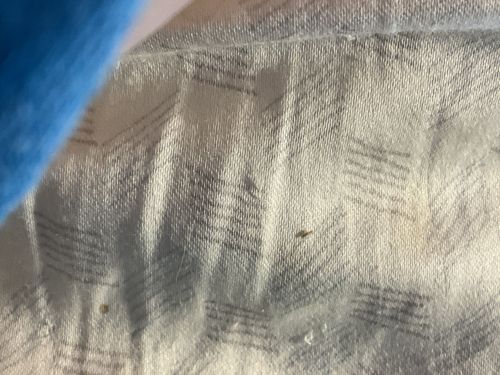
Natural Habitat
Silverfish thrive in high-humidity environments (75-95% relative humidity) and moderate to warm temperatures (70-80°F or 20-27°C). They are commonly found indoors behind baseboards, under sinks, in attics, basements, wall voids, and often around food sources like pantries and bookshelves. Outdoors, they can be found under rocks, leaf litter, and bark.
Diet & Feeding
Silverfish are omnivores and scavengers. Their diet primarily consists of polysaccharides, such as starches and dextrin. This means they eat paper (books, wallpaper, cardboard), glue, textiles (cotton, linen, silk, synthetic fibers), dried foods (oats, flour, cereals), and even dead insects. They are known to cause damage to household items.
Behavior Patterns
Silverfish are nocturnal and prefer dark, damp places. They are fast runners and can be difficult to catch. They reproduce slowly, laying only a few eggs at a time. They can live for several years, molting throughout their lives. When disturbed, they often dart away or hide. They are often found in bathrooms, kitchens, basements, and attics, as well as in bookshelves, storage boxes, and clothing.
Risks & Benefits
Potential risks include damage to household items such as books, documents, clothing, and food packaging. While they do not bite or sting humans and are not known to transmit diseases, their presence can indicate dampness and potential mold issues in a home. They generally offer no known benefits to human environments.
Identified on: 8/4/2025