
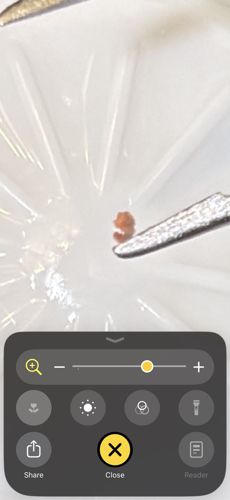
Community identification
Common Bed Bug (Nymph)
Cimex lectularius
- Order & Family
- Order: Hemiptera, Family: Cimicidae
- Size
- Nymphs are 1.5mm to 4.5mm; the specimen shown is likely an early-stage nymph (approx. 1.5mm - 2mm).
Natural Habitat
Indoor environments, primarily residing in cracks, crevices, mattress seams, and upholstered furniture in residential and commercial buildings.
Diet & Feeding
Obligate hematophages; they feed exclusively on the blood of warm-blooded animals, primarily humans.
Behavior Patterns
Nocturnal and elusive; they use heat and carbon dioxide to locate hosts, feed for 5-10 minutes at night, and then retreat to hiding spots. They undergo incomplete metamorphosis (egg, nymphal stages, adult).
Risks & Benefits
Risks include itchy allergic skin reactions (welts), psychological distress, and secondary skin infections from scratching. They are not known to transmit diseases to humans. There are no ecological benefits in human environments; they are considered a major pest.