
Community identification
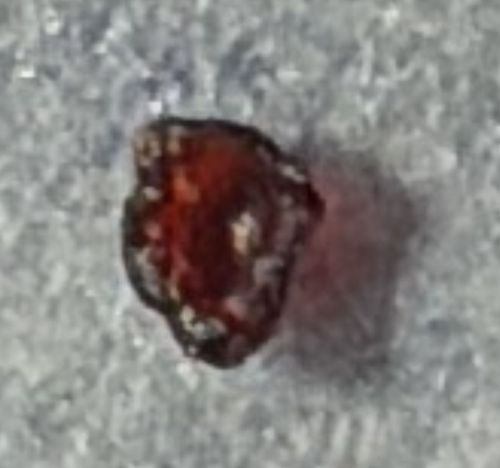
Indian Wax Scale
Ceroplastes ceriferus
- Order & Family
- Hemiptera: Coccidae
- Size
- 2-4 mm (mature female)
Natural Habitat
Typically found on stems and twigs of various ornamental plants, including holly, camellia, pyracantha, and euonymus in landscape settings.
Diet & Feeding
Plant sap; they feed by inserting needle-like mouthparts into the host plant's phloem to extract fluids.
Behavior Patterns
Adult females are immobile and covered in a thick, sticky, gummy white-to-pinkish wax. They produce honeydew, which attracts ants and promotes sooty mold growth. Immature scales ('crawlers') move to find feeding spots before settling permanently.
Risks & Benefits
They are a plant pest. Heavy infestations can weaken the host plant, cause dieback, and produce unsightly sooty mold. They are generally harmless to humans but can be damaging to landscaping and gardens.