
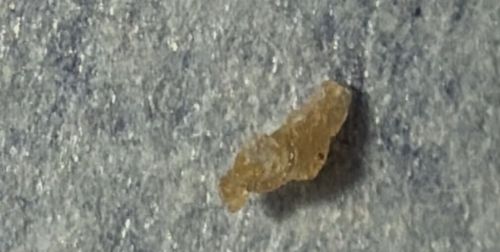
Booklouse (or Psocid)
Liposcelis spp. (common household genus)
- Order & Family
- Order: Psocodea (formerly Psocoptera); Family: Liposcelididae
- Size
- Typically very small, ranging from 1 to 2 mm (less than 1/16 inch) in length.
Natural Habitat
Found in warm, damp environments with high humidity. Common in books, papers, stored grains, pantries, behind wallpaper, and in new construction where plaster or wood is still drying.
Diet & Feeding
They feed on microscopic molds, fungi, starch, glue (like book bindings), and dead insect parts. They do not feed on humans or pets.
Behavior Patterns
They are active runners and move quickly when disturbed but do not fly (many indoor species are wingless). They thrive in humid conditions and can reproduce rapidly in the right environment.
Risks & Benefits
Risks: They are generally harmless to humans and do not bite or spread disease. However, they can contaminate stored food products and their presence indicates a moisture issue that could lead to mold. Large infestations can cause allergic reactions in sensitive individuals. Benefits: None significant in a household context, aside from occasionally cleaning up microscopic organic debris.