
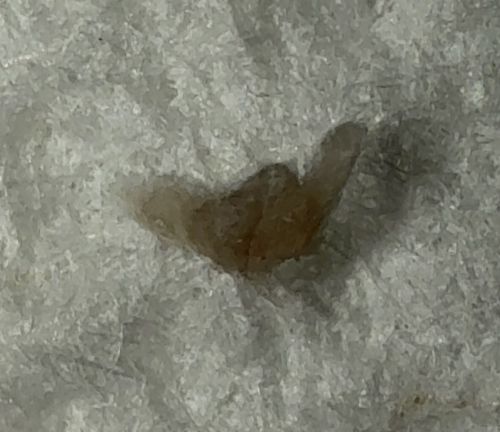
Drain Fly (also known as Moth Fly, Sink Fly, Filter Fly, or Sewer Gnat)
Psychodidae
- Order & Family
- Order: Diptera (True Flies), Family: Psychodidae
- Size
- Typically 1.5 to 5 millimeters in length.
Natural Habitat
Moist, decaying organic matter is their prime breeding ground. They are commonly found in homes near drains, sinks, showers, sewage systems, and compost piles. In nature, they inhabit damp woodlands and marshes.
Diet & Feeding
Larvae feed on the organic sludge, slime, and biofilm (bacterial films) that accumulate inside drain pipes and sewage systems. Adult flies generally do not eat solid food but may consume polluted water or nectar.
Behavior Patterns
They are weak fliers and often appear to hop or make short, erratic flights rather than flying long distances. They are most active in the evening. They rest with their fuzzy wings held roof-like over their bodies, giving them a moth-like appearance.
Risks & Benefits
Risks: They are generally considered a nuisance pest rather than a direct health threat. They do not bite or sting, but because they breed in sewage and drains, they can mechanically transfer bacteria to surfaces. Benefits: In natural settings and sewage treatment plants, the larvae play a role in breaking down decomposing organic material and purifying water.