
Community identification
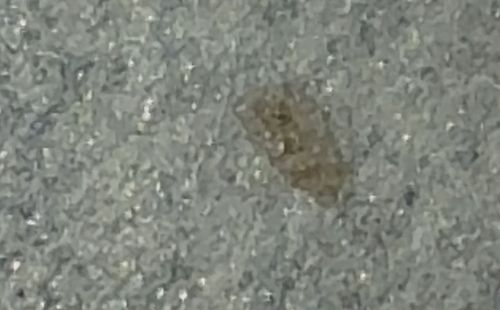
Household Casebearer or Plaster Bagworm
Phereoeca uterella
- Order & Family
- Order: Lepidoptera, Family: Tineidae
- Size
- Larval case is typically 8–13 mm (0.3–0.5 inches) long
Natural Habitat
Typically found inside homes (especially in humid areas like bathrooms, closets, and garages) or on exterior walls of buildings in tropical and humid climates.
Diet & Feeding
Larvae feed on spider webs, old silk/cocoons, wool, hair, lint, and dead insect parts.
Behavior Patterns
The larva constructs a silken case shaped like a flattened pumpkin seed or watermelon seed, camouflaging it with sand, soil, and debris. It drags this case around as it moves and can retreat inside when threatened.
Risks & Benefits
Generally harmless to humans (does not bite or sting). Can be a minor pest to wool clothing or rugs but is largely considered a nuisance pest rather than a major structural threat.