
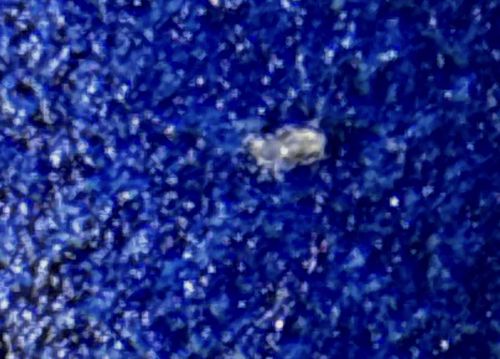
Dust Mite
Dermatophagoides spp. (Most commonly D. pteronyssinus or D. farinae)
- Order & Family
- Order: Sarcoptiformes, Family: Pyroglyphidae
- Size
- Microscopic; typically 0.2 to 0.3 millimeters in length. They are barely visible to the naked eye, appearing as tiny white specks if seen against a dark background.
Natural Habitat
Found exclusively indoors, thriving in warm, humid environments. They congregate in fibrous materials where dead skin cells accumulate, such as mattresses, pillows, carpets, upholstered furniture, and soft toys.
Diet & Feeding
Detritivores that feed primarily on dander (dead skin scales) shed by humans and pets, as well as microscopic fungi and bacteria found on the skin cells.
Behavior Patterns
They are photophobic (light-avoiding) and tend to bury deep into fabrics during the day. They cannot drink water; instead, they absorb moisture from the air, which makes high humidity essential for their survival. Their life cycle from egg to adult takes about a month.
Risks & Benefits
Risks: They are a major source of indoor allergens. Their feces and decaying body parts contain proteins that commonly trigger asthma, eczema, and allergic rhinitis (sneezing, runny nose, itchy eyes). Benefits: They act as microscopic decomposers of organic waste (dead skin), though this 'benefit' is generally outweighed by their allergenic potential in human dwellings.