
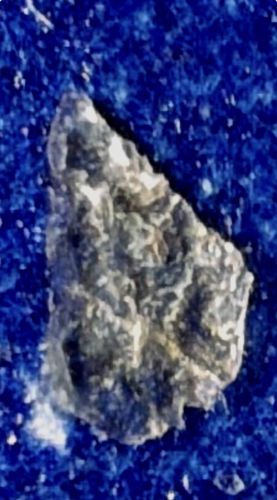
Household Casebearer (often referred to as Plaster Bagworm)
Phereoeca uterella or Phereoeca allutella
- Order & Family
- Order: Lepidoptera, Family: Tineidae
- Size
- Larval case is typically about 8-13 mm long (approx. 0.5 inches)
Natural Habitat
Typically found indoors in dry, dusty areas of homes such as under furniture, on walls, in garages, or along baseboards. They are also common in tropical and subtropical climates, like Florida.
Diet & Feeding
The larvae feed on old spider webs, wool, hair, lint, and other keratin-containing fibers. They are detritivores.
Behavior Patterns
The larva constructs a distinctive flattened, pumpkin-seed-shaped protective case out of silk and dust/debris, which it drags around as it moves. It can poke its head out from either end of the case to feed or crawl. When ready to pupate, it attaches the case to a wall or surface.
Risks & Benefits
Risks: Generally considered a nuisance pest rather than dangerous. They do not bite or sting, but they can damage natural fibers like wool rugs or clothing if infestations are large. Benefits: They clean up minor debris like old spider webs and dust bunnies, though usually not enough to be considered helpful cleaners.