
Community identification
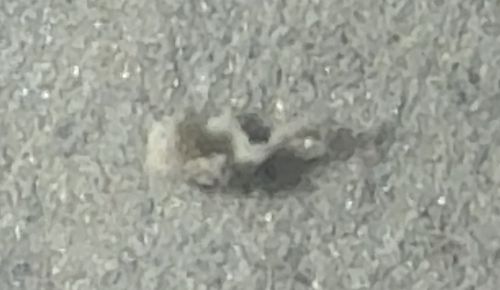
Household Casebearer (also known as the Plaster Bagworm)
Phereoeca uterella
- Order & Family
- Order: Lepidoptera, Family: Tineidae
- Size
- Larval case is typically 8–13 mm (approx. 0.3–0.5 inches) in length.
Natural Habitat
Typically found indoors in humid climates, often seen on walls, baseboards, underneath furniture, or in closets. They create a protective case out of silk and debris (sand, soil, lint).
Diet & Feeding
Feeds on keratin-containing materials such as spider webs, wool, hair, and sometimes dried insects. They are detritivores.
Behavior Patterns
The larva lives inside a flattened, pumpkin-seed-shaped case which it drags around while feeding. It can emerge from either end of the case. They eventually pupate inside this case before emerging as small moths.
Risks & Benefits
Generally harmless to humans (they do not bite or sting). They are considered a minor household pest because they can feed on woolen fabrics or rugs, but they primarily feed on spider webs and old insect debris.