
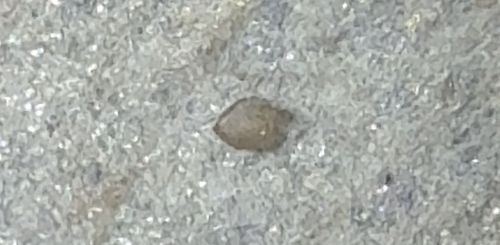
Plaster Bagworm
Phereoeca uterella
- Order & Family
- Lepidoptera: Tineidae
- Size
- Larval case is approx. 8 to 13 mm (0.3 to 0.5 inches)
Natural Habitat
Typically found in homes attached to walls, closets, and underneath furniture; in nature, they reside in caves or under rocks in humid climates.
Diet & Feeding
Detritivores; they feed on spider webs, old silk, wool, human hair, dead insects, and fallen reptile skins.
Behavior Patterns
The larva constructs a flattened, pumpkin-seed-shaped protective case out of silk and environmental debris (dust, sand, soil), which it drags along as it moves. The larva has openings at both ends of the case to feed and move without turning around.
Risks & Benefits
Generally harmless to humans and pets as they do not bite or sting. They can be a minor household pest if present in large numbers, occasionally damaging wool or natural fibers, but they are often beneficial by cleaning up old spider webs and dead insects.