Tapeworm Segment (Proglottid)
Scientific Name: Dipylidium caninum (most common species in pets)
Order & Family: Order: Cyclophyllidea, Family: Dipylidiidae
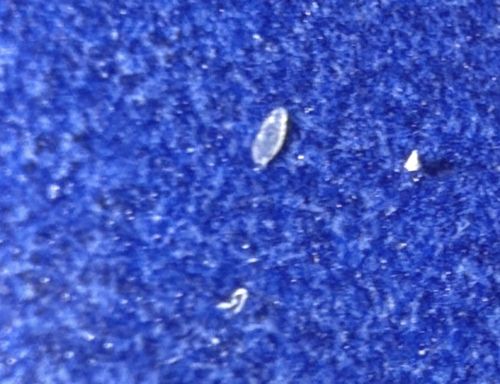
Size: Segments resemble grains of rice or sesame seeds; typically 3-12 mm long.
Natural Habitat
Intestines of host animals (dogs, cats); segments are often found near the host's anus, in bedding, or on furniture.
Diet & Feeding
The adult worm lives in the host's intestine absorbing nutrients; the proglottids depicted are egg-filled sacs released for reproduction.
Behavior Patterns
Segments detach from the adult worm and exit via feces or crawl out of the anus. When they dry out, they shrink and resemble sesame seeds, eventually releasing eggs to be eaten by flea larvae.
Risks & Benefits
Risk: Indicates a parasitic infection in a pet (usually from ingesting infected fleas). While generally not fatal, large infestations can cause weight loss and irritation. They can occasionally infect humans, particularly children, if a flea is accidentally swallowed.
Identified on: 2/23/2026